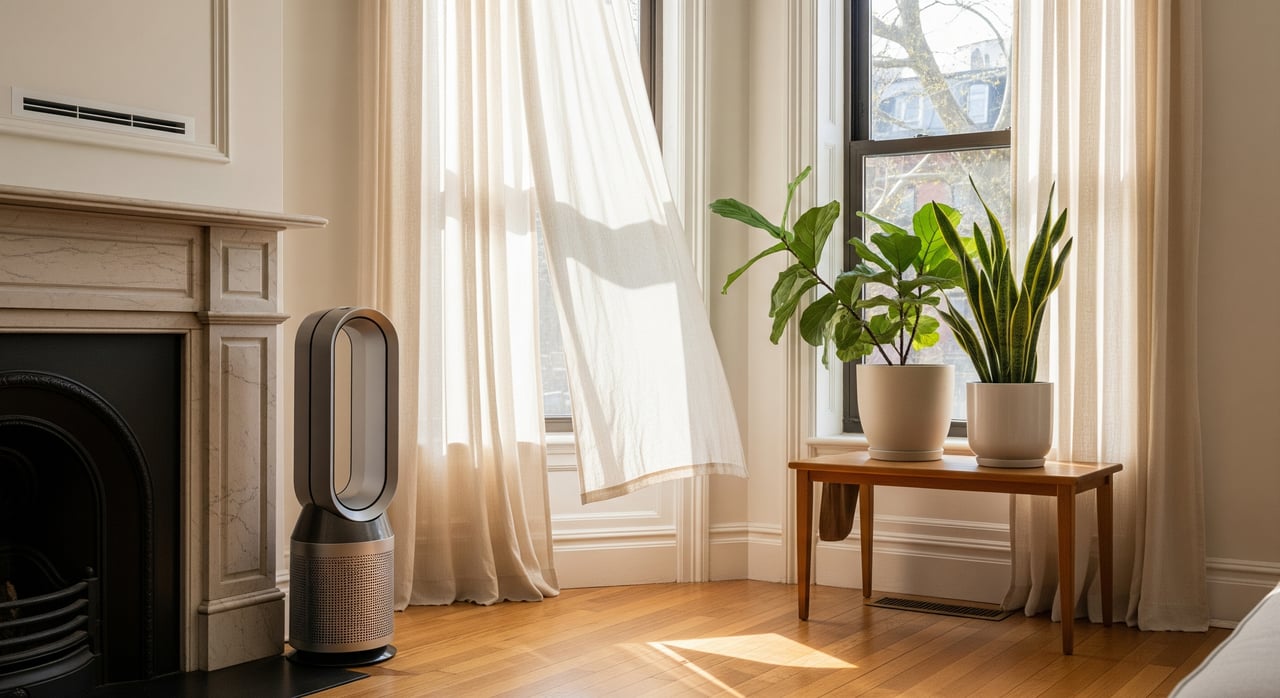
If you live in Harlem, you know city life brings energy and convenience. It can also bring traffic exhaust, cooking smoke, and humidity that sneak into your home. If you or someone in your household has asthma or allergies, this feels even more pressing. The good news is you can improve your indoor air quality with practical steps that fit apartments, brownstones, and co-ops. This guide shows you what works, what to do first, and how to keep results going all year. Let’s dive in.
Why IAQ matters in Harlem
Urban air can find its way indoors through windows, gaps, and vents. In Manhattan, outdoor fine particles and nitrogen oxides from dense traffic can infiltrate your home. Indoors, common sources include cooking, smoke from tobacco or cannabis, gas appliances, VOCs from renovation or cleaning products, moisture and mold, and allergens from pets and pests.
Season matters. In winter, homes stay closed up, which can trap pollutants and raise carbon monoxide risk if combustion appliances are not vented or maintained. In summer, higher humidity can support mold growth, and opening windows during high-pollution periods can raise indoor particle levels. Some solutions also add noise, so aim for options that balance clean air, comfort, and quiet.
Start with source control
Reducing pollutants at the source delivers the biggest improvement for the lowest cost. It also makes your ventilation and filtration work better.
Keep your home smoke-free
- Do not allow smoking indoors. Even occasional smoke lingers and drives particle and VOC buildup.
- If guests smoke, keep it outside and away from open windows.
Cook smarter
- Use back burners and keep flames at the lowest effective level.
- Cover pans and reduce high-heat frying when possible.
- Always use your range hood when cooking and keep it running for 10 to 15 minutes after you finish.
Choose low-VOC products
- Pick low-VOC or low-emission paints, finishes, adhesives, and cleaning products.
- Ventilate during and after painting or renovation.
Tackle moisture and pests early
- Fix leaks quickly and dry wet materials within 24 to 48 hours to prevent mold.
- Run bathroom fans during and after showers.
- Use integrated pest management to reduce droppings and allergens.
Ventilation that works in city homes
You want fresh air without pulling in extra pollution. Focus on controlled ventilation.
Prioritize your range hood
- A ducted range hood that vents outdoors is the single most effective way to reduce cooking pollutants.
- If you cannot install a ducted hood, use the best recirculating model you can and replace charcoal filters as directed.
Use bathroom exhaust fans
- Run fans during showers and for at least 15 minutes after to remove moisture.
- Where possible, fans should vent outdoors.
Consider balanced ventilation in tight homes
- In renovated brownstones or sealed apartments, an ERV or HRV can bring in fresh air while exhausting stale air and recovering energy.
- Proper design and sizing are essential. ASHRAE 62.2 offers residential ventilation guidance. In New York buildings, consult a licensed HVAC contractor and follow building rules.
Open windows with a plan
- Time window openings for periods when outdoor pollution tends to be lower, often late night or early morning.
- Avoid opening windows during local air quality alerts or when traffic is heavy nearby.
Filtration you can trust
Particles from cooking and street air respond well to good filtration.
Upgrade HVAC filters when possible
- If your system allows it, use the highest MERV rating it can safely handle. Many systems use MERV 8. Some can support MERV 11 to 13.
- MERV 13 filters capture fine particles, including much of PM2.5, but they add resistance to airflow. Check manufacturer guidance and ask a technician before upgrading.
Place portable HEPA air cleaners in key rooms
- Look for true HEPA and AHAM-certified CADR ratings.
- Size units to your room using a simple formula: Required CADR (cfm) = Room volume (ft³) × target ACH ÷ 60.
- Example: A 300 ft² room with 8 ft ceilings has 2,400 ft³. At 4 ACH, you need roughly 160 cfm CADR.
- Run units continuously when the room is in use and turn them up during cooking or smoke events.
- Check noise ratings. Lower fan speeds are quieter for bedrooms.
Avoid ozone-generating devices
- Ionizers and ozone-producing air cleaners can create byproducts and vary in performance. Stick with HEPA-based filtration.
Seal out street air, keep control
You do not want uncontrolled infiltration from busy streets. Seal where you can, then add controlled ventilation.
- Weatherstrip and caulk around windows and doors to stop drafts.
- Seal gaps around plumbing, electrical chases, and baseboards.
- For window AC units, use fit kits or foam panels to close gaps.
- Pair sealing with an ERV/HRV or routine window ventilation at lower-pollution times to avoid trapping indoor pollutants.
Control humidity and prevent mold
Humidity control protects health and finishes.
- Aim for indoor relative humidity between about 30% and 50%.
- In humid months, use dehumidifiers in basements and damp areas.
- In winter, use humidifiers sparingly and clean them as directed to prevent growth.
- Fix leaks quickly and dry damp materials as soon as possible.
- Clean and maintain bathroom and kitchen exhaust fans.
Combustion safety first
Safety measures are simple and critical.
- Install and test carbon monoxide detectors on each floor and near sleeping areas. Replace batteries and units per instructions.
- Have gas furnaces, boilers, and water heaters inspected annually by licensed technicians. Ensure they are vented properly.
- Never use ovens or ranges for heat.
Tailored strategies for Harlem homes
Different housing types call for different tactics. Here is how to focus your effort.
Apartments in older prewar walk-ups
- If you rent, start with portable HEPA units for the living room and bedrooms. Add weatherstripping and draft stoppers. Use existing exhaust fans during cooking and bathing.
- Report moisture, mold, or ventilation issues to your landlord or management. NYC agencies outline tenant protections and next steps if problems persist.
- If you own, consider upgrading in-unit filtration where systems allow. During renovations, prioritize a ducted range hood if the building permits it.
Brownstones and townhouses
- Sealing and balanced ventilation work well in these homes. An ERV or HRV can bring in fresh air year-round while managing humidity.
- Consider raising filtration to MERV 13 if your equipment supports it, or add whole-house filtration.
- Schedule yearly inspections for all combustion appliances.
Co-ops and condos
- Coordinate with management or your board on central system filtration, shared exhaust, and odor control in common areas.
- In your unit, use portable HEPA cleaners and strong source control. For upgrades like ducted hoods, follow building rules and approval processes.
Renters vs. owners
- Renters may be limited in structural changes. Focus on low-impact measures like HEPA units, weatherstripping, and consistent fan use. Document and report any leaks, mold, or ventilation problems.
- Owners have more flexibility to invest in range hoods, ERVs, and filtration upgrades. Plan projects around board approvals and building rules.
A simple year-round plan
Use this staged approach to get results quickly and build from there.
Immediate actions (0 to 1 month)
- Make your home smoke-free.
- Install or test CO alarms and smoke detectors.
- Place portable HEPA units in the primary bedroom and main living area, sized by CADR.
- Use your kitchen and bathroom fans during and after use.
- Vacuum with a HEPA or high-filtration vacuum and clean range hood grease filters weekly.
Short-term upgrades (1 to 6 months)
- Upgrade HVAC filters to the highest safe MERV your system can handle. Consult a technician if unsure.
- Weatherstrip and seal obvious gaps around windows, doors, and penetrations.
- Schedule an annual service for gas appliances and ventilation equipment.
Medium-term investments (6 to 24 months)
- Install a ducted range hood where allowed. If not feasible, improve the recirculating hood and maintain filters on schedule.
- Add an ERV or HRV in sealed homes if the building permits it.
- For owners, evaluate whole-house filtration or equipment upgrades that can support MERV 13.
Ongoing maintenance
- Replace central HVAC filters every 1 to 3 months, or as recommended.
- Clean or replace portable air cleaner filters per instructions and wash prefilters monthly.
- Run and maintain exhaust fans. Check for blockages and clean grilles.
- Monitor indoor humidity by season and adjust with dehumidifiers or humidifiers as needed.
- Inspect for leaks after storms and fix promptly.
Product selection tips
Make smart purchases that fit your space and lifestyle.
- Portable air cleaners: Choose true HEPA with AHAM-certified CADR. Match CADR to your room volume and target air changes per hour. Compare noise ratings at the speed you plan to use, and check filter prices and availability.
- HVAC filters: Confirm the maximum MERV your system can support before upgrading. Higher ratings can require fan adjustments.
- Range hoods: Prefer externally vented models sized for your stove and cooking style. Keep grease filters clean.
- ERV/HRV: Best for tight, renovated homes. Proper sizing and ductwork need a professional design.
Cost and prioritization
Many high-impact steps are low cost. Source control, portable HEPA units, exhaust fan use, and weatherstripping often deliver big gains. Larger investments like ducted range hoods, ERVs, and HVAC upgrades deliver lasting benefits but require planning, permissions, and budget. Prioritize based on who lives in the home, how long you plan to stay, and which rooms you use most.
Ready to breathe easier?
Whether you are upgrading a brownstone or optimizing a co-op, a clear plan helps you reduce risk and breathe easier at home. If you are preparing to buy or sell, cleaner indoor air can also support a smoother experience during showings and inspections. For guidance on practical upgrades, board-friendly planning, and vetted service partners, reach out today. Schedule a Confidential Consultation with Unknown Company.
FAQs
Will weatherstripping make indoor air worse by trapping pollutants?
- Not if you pair sealing with smart ventilation and source control. Seal gaps to reduce street infiltration, then use exhaust fans, a ducted range hood, or an ERV/HRV to bring in controlled fresh air.
Are houseplants effective for improving indoor air quality in Harlem apartments?
- Plants can be nice to have, but they do not replace ventilation and HEPA filtration for reducing particles and gases. Treat them as décor, not a primary IAQ solution.
What filter rating should I choose for my apartment’s HVAC system?
- Use the highest MERV your system can safely handle. Many homes use MERV 8, while some systems can support MERV 11 to 13. Confirm with manufacturer guidance or an HVAC technician.
How many portable air cleaners do I need in a two-bedroom unit?
- Focus on rooms where you spend the most time, usually bedrooms and the living room. Size each unit using CADR to hit about 4 to 6 ACH for particle reduction.
How can I reduce smoke or odors from neighbors or the street?
- Seal gaps, upgrade to MERV 13 where possible, run portable HEPA units continuously, and keep windows closed during high-pollution periods. A ducted range hood also helps cut cooking odors and particles inside your home.