Torn between a classic Harlem brownstone and a modern condo? You are not alone. You want the right mix of space, convenience, monthly cost, and long‑term value. In this guide, you will get a clear, side‑by‑side look at how each option lives, what it costs, and how it resells in Harlem today so you can choose with confidence. Let’s dive in.
Harlem market at a glance
Harlem’s market sits in a middle band for Manhattan. The median sale price was about $775,000 in January 2026, according to Redfin’s Harlem market report. Property type matters. In December 2025, PropertyShark showed a median condo around $852,000, a median co‑op near $480,000, and a median house around $800,000 in Harlem, which highlights price differences by ownership type and building form. You will also see variation by sub‑neighborhood, so compare Central Harlem, East Harlem, and Hamilton Heights separately when you look at listings. See PropertyShark’s Harlem trends for context.
What living in a brownstone feels like
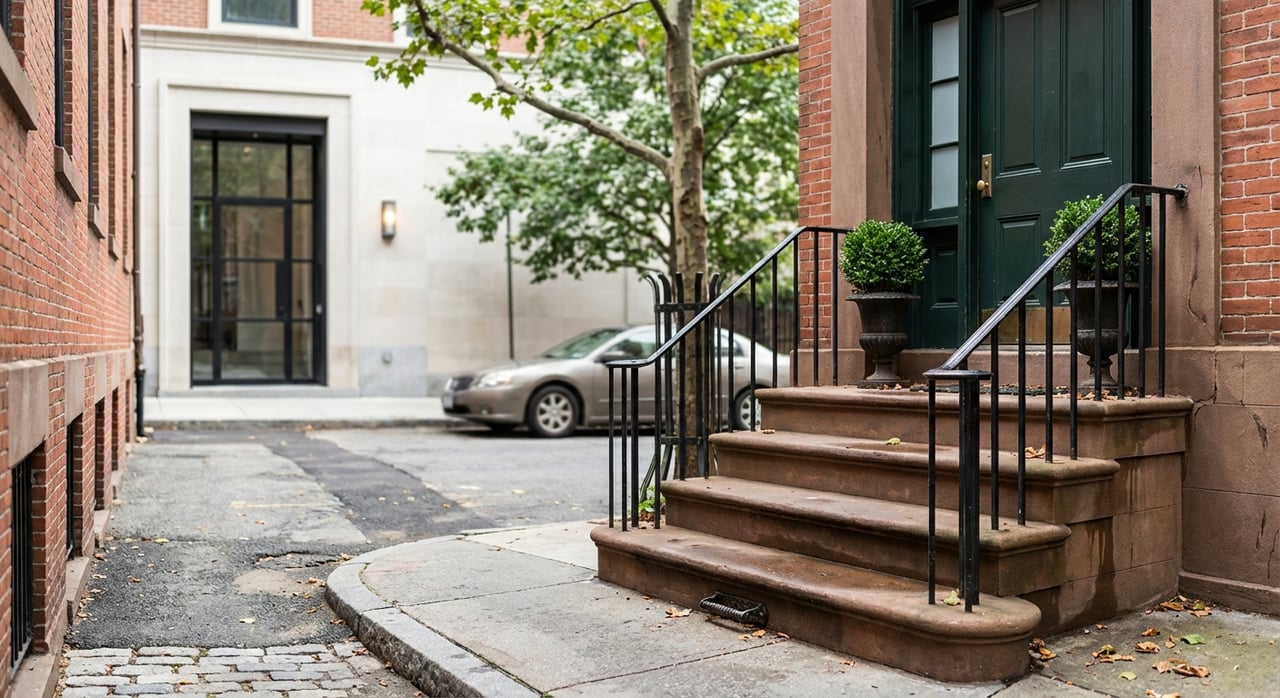
A brownstone is a townhouse on a classic row, often with stoop entry, multiple levels, and private outdoor space. You get a house‑like feel, direct street access, and more privacy. The tradeoff is stewardship. You are responsible for the roof, façade, boiler, and cellar, plus compliance with permits. On certain blocks within historic districts, exterior work may need Landmarks sign‑off, as explained in this brownstone and townhouse buying guide.
Who it suits
- You want space, privacy, and a house lifestyle.
- You value private outdoor areas and design control.
- You have the budget and time for capital repairs.
Key costs to budget
- Property taxes and insurance on a single lot. Tax class can differ by property type and assessed value; always confirm the lot’s classification and bill with NYC.
- Mortgage recording tax applies to real property financing in NYC, which adds to buyer closing costs. Review the City’s rules on the mortgage recording tax.
- Ongoing upkeep: roof, masonry, systems, and potential landmark requirements.
What living in a condo feels like
A condo gives you deeded ownership of your unit plus a share of common areas. Many newer Harlem condos offer doorman service, gyms, roof decks, and package rooms. This is an amenity‑driven, lock‑and‑leave lifestyle. You trade some control over building rules for predictable management and services. In NYC, condos tend to command a premium over co‑ops because they are more flexible for investors and second‑home buyers, as outlined in this NYC co‑op vs. condo market overview.
Who it suits
- You prefer building services and amenities.
- You want an easier resale path and potential investor appeal.
- You like less hands‑on maintenance.
Costs to expect
- Monthly common charges plus a separate property tax bill. What is included varies by building.
- Buyer closing costs are often higher than co‑ops because condos include title insurance and mortgage recording tax. See this quick summary of NYC condo vs. co‑op closing costs.
- Amenities and staffing level drive monthly costs. Compare total monthly outflow, not just the common charges, using this framework on HOA vs. co‑op fees.
Rules, renovations, and approvals
- Brownstones: You can renovate more freely inside, but you must follow NYC DOB permitting. If the façade is landmarked, exterior work requires LPC approvals, which can affect timing and scope.
- Condos: Renovations still need permits and building management sign‑off. Rules on hours, vendor insurance, and scope are common. The process is usually more streamlined than a co‑op’s board approval model, but timelines still depend on your plans and the building.
Financing and timeline realities
- Down payment norms: In Manhattan, many condos allow 10 to 20 percent down with conventional financing, while co‑ops often expect 20 to 30 percent or more plus post‑closing liquidity. Building policies and lenders vary; see typical NYC standards in this financial requirements overview.
- Recording tax: Both condos and brownstones are real property, so NYC’s mortgage recording tax applies to financed purchases. Cash buyers do not pay this tax.
- Building health matters: After Surfside, agencies tightened project standards. If a condo shows significant deferred maintenance, major unresolved assessments, or low reserves, it can be ineligible for certain loans until issues are fixed. Lenders often review budgets, minutes, and engineer reports. See Fannie Mae’s guidance on project eligibility and reserves.
- FHA/VA options: FHA financing can be available for units in FHA‑approved condo projects. Always verify project status on HUD’s FHA condo lookup before you plan around a specific loan program.
Resale and liquidity in Harlem
Condos generally attract a wider buyer pool, including investors and non‑resident buyers, which can help with resale in many price bands. Brownstones are a niche category. They can command premiums for lot width, condition, and outdoor space, but may take longer to market depending on price and location. For why condos often price higher and draw broader demand citywide, see this NYC condo vs. co‑op analysis.
Quick decision guide
Use these bite‑size prompts to match your lifestyle to the right fit:
- Choose a brownstone if you want the house feel, private outdoor space, and control over finishes, and you are comfortable managing big repairs and permits.
- Choose a condo if you want amenities, building staff, and an easier resale profile, and you are willing to pay a premium in both price and buyer closing costs.
- Not sure? Tour both. Stand in each space and picture daily life: stairs and yard work vs. elevator, roof deck, and concierge. Compare total monthly costs, not line items in isolation.
Essential documents to request
Use this checklist when you tour or review listing materials. It protects both lifestyle and financing decisions and mirrors what lenders and attorneys review:
- Current offering plan / proprietary lease (co‑op) or condo offering plan / declaration (condo)
- Latest audited financial statements and budget; most recent board meeting minutes (last 6–12 months)
- Reserve study and schedule of expected capital projects
- List of active or recent special assessments and their repayment terms
- Building insurance declaration page (master policy) and any loss‑assessment history
- Flip tax / transfer fee schedule (co‑op or condo) and NYC transfer tax / mortgage recording tax implications
- For brownstones: DOB/HPD violation history, LPC/landmark status and any pending permit conditions
- FHA/VA/SONYMA project status for condos if buyer expects to use programmatic loans
Ready to compare specific Harlem options and run numbers both ways? Let’s map your lifestyle, financing, and timing to the right property so you can move with confidence. To start a tailored plan, connect with Sonal Patel. Schedule a Confidential Consultation.
FAQs
Are Harlem condos usually pricier than co‑ops in 2025–2026?
- Yes. Citywide data shows condos often trade at a premium to co‑ops due to investor flexibility and resale demand, which aligns with Harlem’s late‑2025 split. See this NYC overview of co‑ops vs. condos.
Will I owe mortgage recording tax on a Harlem condo or brownstone?
- If you finance a condo or brownstone, NYC’s mortgage recording tax typically applies to the loan; cash purchases avoid it. Review the City’s guidance on the mortgage recording tax.
Do NYC brownstones have lower property taxes than condos?
- Possibly. It depends on tax class and assessed value mechanics. Check the lot’s classification and rates through NYC’s property tax resources and review the actual bill with your attorney.
Can I use FHA financing for a Harlem condo purchase?
- Sometimes. FHA works only for units in FHA‑approved condo projects; confirm project status on HUD’s FHA condo lookup before you structure a loan.
What is the current Harlem median sale price?
What documents should I request before bidding on a Harlem condo or brownstone?
- Use the checklist above. It covers offering plans, financials, reserves, assessments, insurance, transfer fees, violations, and government program status for accurate lifestyle and lending decisions.