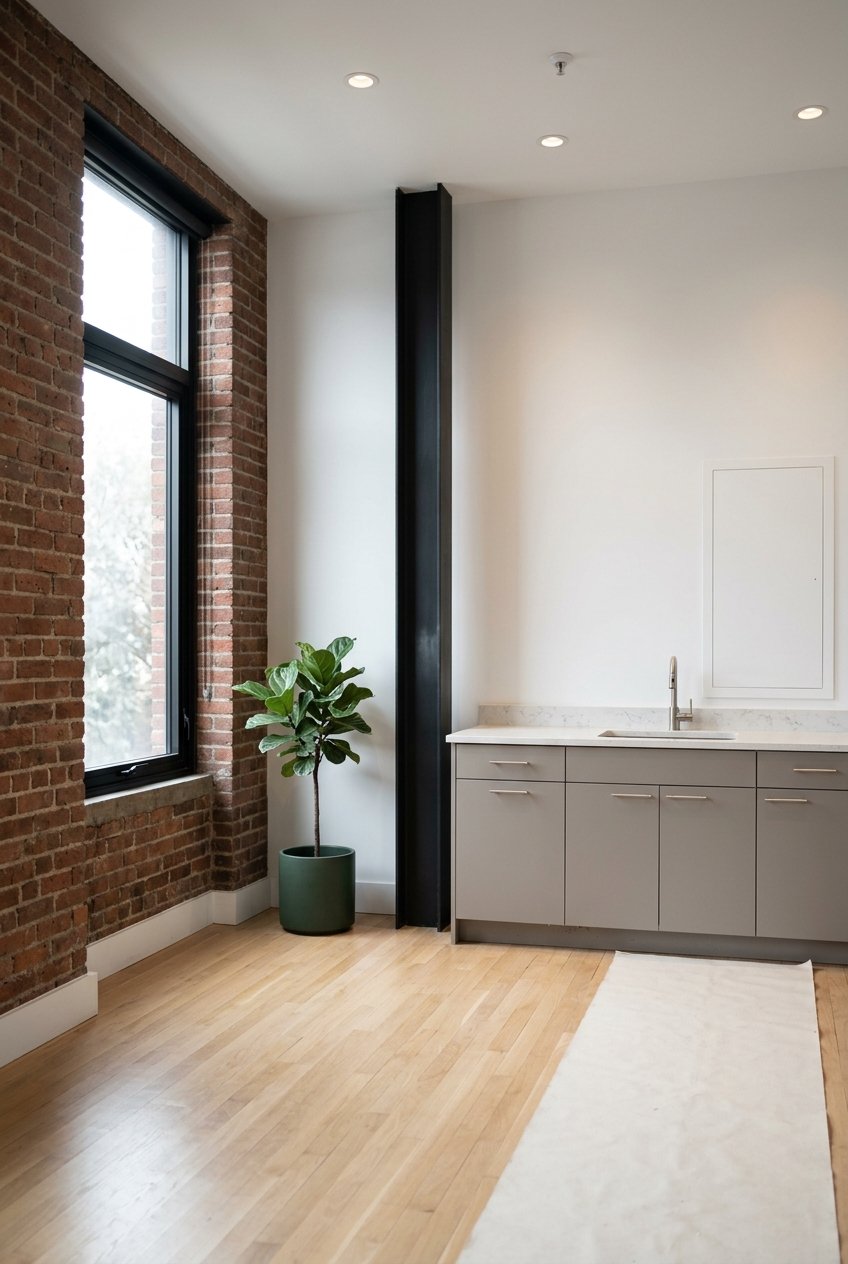
Understanding SoHo Loft Renovation Rules and Approvals
May 14, 2026
May 14, 2026
Thinking about renovating a SoHo loft? The design decisions may feel exciting, but in SoHo, approvals and paperwork often shape the timeline just as much as the construction itself. If you are planning updates before a future sale, after a purchase, or as part of a long-term hold, understanding the process early can help you avoid delays, extra costs, and resale headaches. Let’s dive in.
SoHo renovations often involve more than a contractor and a set of plans. The neighborhood sits within the SoHo-Cast Iron Historic District, which means Landmarks Preservation Commission review can become part of the process for many projects.
If your renovation affects the exterior, rooftop equipment, HVAC penetrations, or façade-related elements, preservation review should be part of your planning from the start. LPC also reviews interior work that needs a Department of Buildings permit, and it notes that a permit may still be required even when DOB does not require one or allows self-certification.
That extra layer is easy to underestimate. In practice, a SoHo loft renovation may require building approval, DOB filing, and LPC review at roughly the same time.
Before you focus on tile, cabinetry, or layout changes, review your building’s alteration rules. In both condos and co-ops, the governing documents typically control whether work can begin and what the approval package must include.
Model alteration agreements published by the New York City Bar show the usual framework. The board and its designated engineer may review plans, require revisions, and require all government filings and approvals before construction starts.
For co-ops, written consent is especially important because the process may also involve proprietary-lease requirements. For condos, approval may still come with detailed conditions, including the owner’s responsibility for code compliance and system compatibility even after the board signs off.
A building-specific package can be extensive. Common requirements shown in the model forms include:
These requirements vary by building. That is why the smartest first step is often confirming the building’s exact process before your design team finalizes the scope.
Many buildings place limits on when and how work can happen. The model agreements describe rules that may include:
Some buildings may also prohibit exterior-wall penetrations unless specifically approved. In a SoHo loft, that matters if your project includes HVAC changes, venting, or other system upgrades that affect the building envelope.
Not every update requires a DOB permit, but many apartment renovations do. DOB states that some minor work and ordinary repairs may not need a permit, including painting, plastering, installing new kitchen cabinets, replacing plumbing fixtures, and resurfacing floors.
Even so, larger renovation scopes often trigger DOB filings. Kitchen and bathroom projects commonly use an ALT2 filing when the work involves multiple trades and does not change use, egress, or occupancy.
Projects that add a bathroom, reroute gas piping, add electrical outlets, or move a load-bearing wall generally require an ALT2 filing prepared by a licensed professional engineer or registered architect. Plumbing work that alters, relocates, rearranges, or permanently removes piping must be supervised by a Licensed Master Plumber or Fire Suppression Piping Contractor.
Some loft changes look cosmetic on paper but become more sensitive once walls, exits, or building systems move. DOB requires an amended certificate of occupancy when an existing building changes use, egress, or type of occupancy.
For minor alterations that do not require a new or amended certificate of occupancy, a Letter of Completion may be issued instead. In SoHo, that distinction matters because open loft layouts can make even simple reconfigurations more complex than expected.
In historic districts, timing matters. LPC states that applications are now filed through Portico, and complete Certificate of No Effect applications can often be approved within 10 business days, with a 30-business-day decision window once the application is complete.
LPC also notes that about 95% of permit approvals are issued at the staff level rather than through a public hearing. That is helpful, but it does not mean owners should wait to deal with preservation review.
If your loft project touches anything visible from the exterior or relates to rooftop or façade conditions, bring LPC into the plan early. A delay here can hold up the entire project, even if your contractor is otherwise ready to start.
Contractor selection in New York City is not just about price or referrals. NYC requires a DCWP Home Improvement Contractor license for residential home-improvement work costing more than $200.
Asbestos compliance also deserves early attention. DOB states that owners planning renovation, alteration, or demolition must determine whether asbestos-containing material is present in affected areas, and if asbestos is found and will be disturbed, a licensed abatement contractor and air-monitoring company are required before DOB will issue permits.
This is one of those issues that can quietly derail a schedule. If you are renovating an older SoHo loft, it is worth addressing before construction dates are locked in.
Not every SoHo loft falls into the same category. Some buildings may still be subject to Loft Board jurisdiction if they remain Interim Multiple Dwellings under the Loft Law.
According to the Loft Board, the legalization process begins with a DOB alteration application. Within 15 days of filing, the owner must provide tenants and the Loft Board with a Narrative Statement describing the work, and DOB will not issue a work permit without the Board’s certification when that process applies.
The Loft Board process is designed to help covered buildings reach residential code standards and ultimately obtain a residential certificate of occupancy. If your building has any history of loft-law status, confirm that early because it can materially affect the approval path.
If you may sell in the future, renovation planning should be treated as a documentation strategy as much as a design strategy. Clean paperwork can matter almost as much as the finished work itself.
The most useful records often include:
The New York City Bar’s model forms also suggest why this matters later. In some cases, renovation paperwork may need to be passed to a future purchaser, and transfer-related documents may be required.
For sellers, this can directly affect deal flow. Buyers, boards, managing agents, and attorneys often want reassurance that prior work was properly approved and completed.
If you want a smoother process, think in terms of sequence. A careful SoHo loft renovation often follows a path like this:
That sequence does not replace professional advice, but it can help you avoid the most common misstep: treating approvals as an afterthought.
In SoHo, loft renovations live at the intersection of design, building rules, city filings, and future marketability. The process can feel manageable when viewed one piece at a time, but the real challenge is making sure those pieces line up.
That is especially true if you are buying with renovation plans, preparing a loft for eventual resale, or evaluating whether prior work in a unit was properly handled. In each case, clarity upfront can reduce risk later.
If you are weighing a SoHo purchase, planning updates before listing, or trying to understand how renovation history may affect value, Sonal Patel can help you approach the decision with a clear, strategic lens.
Her experience, expertise, and engaging personality make Sonal the perfect combination of advisor, advocate, and strategist. She is the proud owner of several NYC properties and a skilled negotiator with a deep understanding of people and sharp instincts about market trends.