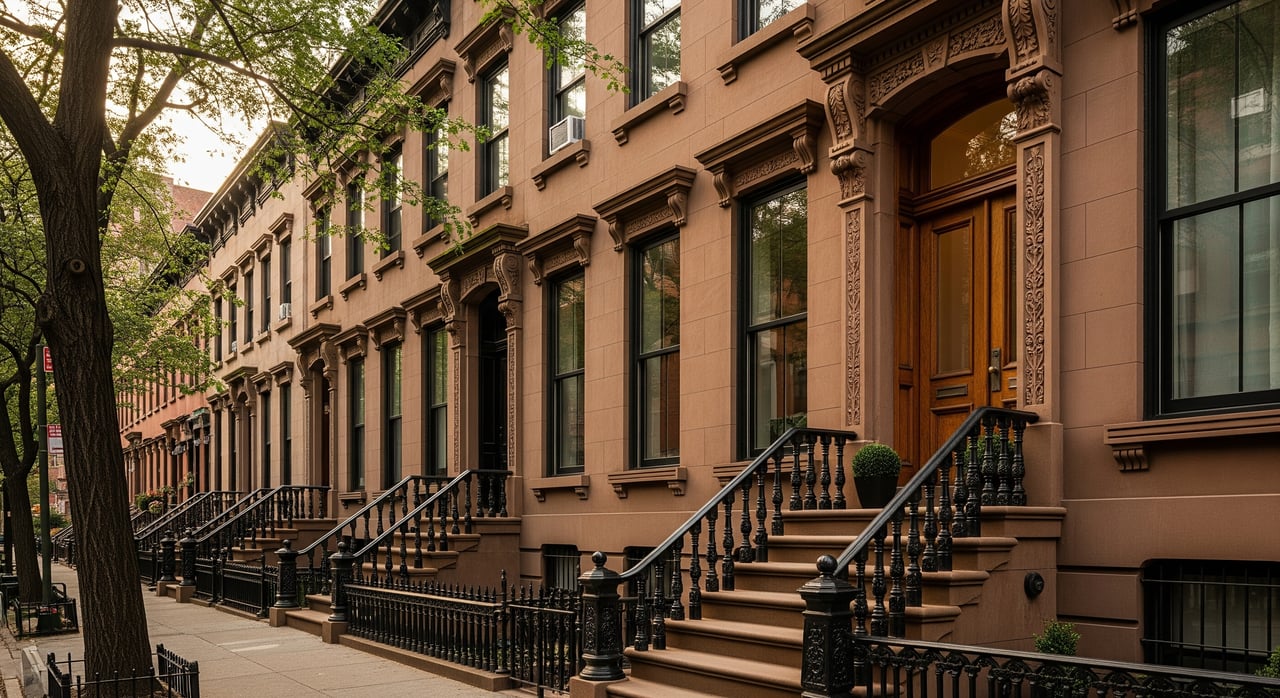
Buying or already own a Harlem brownstone and thinking about a renovation? Between historic protections and building code rules, the process can feel complex fast. You want to protect your home’s character, avoid delays, and keep costs under control. This guide breaks down what you need from the NYC Landmarks Preservation Commission (LPC) and the Department of Buildings (DOB), how to plan your timeline, and what to watch for so your project stays on track. Let’s dive in.
Why Harlem projects need two approvals
Harlem includes several NYC-designated historic districts. If your brownstone is landmarked or inside a historic district, your renovation likely involves two agencies.
- LPC regulates changes that affect protected architectural features and issues permits for exterior work and some interior work tied to DOB permits. Start with LPC’s overview of performing work on a landmarked property.
- DOB enforces the Building Code and issues construction permits for structural, mechanical, plumbing, electrical, and egress work. Most filings run through DOB NOW. See the DOB NOW: Build FAQs for how jobs are classified and processed.
Bottom line: most exterior changes, plus many structural or systems upgrades, require you to coordinate both LPC and DOB.
LPC essentials
Permit types at a glance
- Certificate of No Effect (CNE). Used when your work needs a DOB permit but does not impact protected features. Example: interior mechanical upgrades that do not alter the exterior. Review the LPC overview on permit types and scope.
- Permit for Minor Work (PMW). Staff-level approval for modest exterior work that follows LPC guidelines, such as in-kind masonry or limited window sash replacement. PMWs have set durations under LPC rules. See LPC rules for timing and criteria in the Rules of the Landmarks Preservation Commission.
- Certificate of Appropriateness (CofA). Required for more visible or extensive changes, such as rooftop additions that can be seen from the street or large rear additions. CofA applications go to a public hearing and community board review. Learn more in the LPC permit overview.
What LPC reviews most on brownstones
- Façade materials and finishes, including repair versus replacement and matching profiles.
- Stoops, areaways, ironwork, and railings, which almost always need LPC sign-off.
- Windows and doors, with an emphasis on repair over replacement. Replacement-in-kind is the norm on primary façades.
- Rooftop and rear additions, which must meet strict visibility and context tests. See the visibility standards in LPC rules for additions and related criteria.
Process and timing
- Pre-application: gather current photos, any historic images, and a clear scope. For repetitive items like windows, consider an LPC “master plan.” The LPC rules outline process details in the commission’s rule text.
- Staff review (CNE or PMW): often measured in weeks to a few months, depending on completeness and complexity.
- CofA: allow several weeks to months due to public hearing schedules and potential revisions. Do not begin DOB-permitted work before you have LPC approval.
DOB essentials
Common job types
DOB classifies alteration work by scope and impact. Structural changes, egress updates, or occupancy changes generally require larger alteration categories, while smaller interior changes fall into simpler alteration types. For current definitions and filing pathways, review the DOB NOW: Build FAQs.
Core forms and filings
Most projects require a plan approval application and contractor permits. Get familiar with:
- PW1 (Plan/Work Approval application)
- PW2 (Work Permit application)
- PW3 (Cost affidavit)
You can find these on DOB’s forms and guidance page.
Professionals and inspections
Many alteration jobs must be filed by a Registered Architect or Professional Engineer. Expect plan examiner questions, special inspections for structural or façade work, and scheduled DOB inspections during construction. Your design professional will guide what is required for your scope.
Site logistics to plan early
Façade and stoop work often need sidewalk sheds, scaffolding, and sometimes DOT coordination. Requirements affect cost and lead time, so plan early using DOB’s scaffold and sidewalk shed guidance.
How LPC and DOB coordinate
If a DOB permit is required for a landmarked property, LPC approval must be in place before or alongside the DOB filing. That means you attach the LPC permit with your DOB submission and keep the two tracks aligned. LPC explains this coordination in its permit overview for landmarked properties.
Step-by-step plan for your Harlem brownstone
- Confirm designation status. Check if your property is an individual landmark or in a historic district. Start with LPC’s landmarked property guidance.
- Document existing conditions. Take clear photos of the façade, stoop, windows, and any areas needing repair. Outline a high-level scope.
- Hire experienced pros. Engage an architect familiar with LPC. For structural work, add a PE. Many DOB jobs must be filed by licensed professionals.
- Talk to LPC early. For complex or visible work, request guidance or set up a pre-application. For repetitive scopes, consider a master plan per the LPC rules.
- Secure LPC approval. File for CNE, PMW, or CofA as appropriate. Wait for LPC sign-off before filing DOB permits that require LPC authorization.
- File with DOB. Submit PW1, attach your LPC approval where required, then obtain contractor permits via PW2. See DOB’s forms page.
- Build and close out. Follow LPC and DOB inspections. If conditions differ from plans, file amendments with both agencies.
Timelines you can expect
Timelines vary by scope and how complete your application is. These examples help set expectations.
Example 1: In-kind front window replacement
- LPC PMW or staff-level review: weeks to a few months, if documentation is complete and replacements match original profiles and operation.
- DOB filing for related work, if required: often weeks, depending on review cycles and contractor readiness.
- Tip: provide clear shop drawings and historic references to speed review.
Example 2: Visible rooftop addition
- LPC CofA: several months due to public hearing schedules, community board input, and potential revisions, especially if any visibility from the street is involved.
- DOB plan review: additional weeks to months for structural review, special inspections, and plan examiner questions.
- Tip: perform visibility studies and mock-ups early. Small visibility changes can alter the permit path.
Costs, risks, and how to avoid surprises
- Unauthorized work. Unpermitted changes can trigger stop-work orders and costly fixes. Always align the sequence of LPC and DOB approvals before starting.
- Hidden conditions. Older masonry and framing can reveal structural issues once opened up. Budget a contingency and expect special inspections on structural scopes.
- Material choices. LPC favors repair and in-kind replacement on primary façades. Off-the-shelf vinyl windows are typically not allowed for front elevations. Build your budget around historically appropriate materials per LPC rules.
- Rooftop visibility. Additions visible from public thoroughfares face stricter review. See LPC’s visibility criteria for additions and bulkheads.
Funding options to explore
- Federal Historic Rehabilitation Tax Credit. The 20 percent federal credit applies only to certified historic, income-producing properties, not owner-occupied homes. Review the National Park Service program essentials.
- New York State Historic Homeownership Rehabilitation Tax Credit. Owner-occupants may qualify if the property and census tract meet program rules. Check eligibility and steps with the State Historic Preservation Office on the NYS homeowner credit page.
- LPC grants. From time to time, LPC offers preservation grants and technical assistance. See a recent example of awards and program details in this LPC grants announcement.
Quick checklist before you start
- Confirm landmark or historic district status.
- Define scope with photos and a preliminary plan.
- Hire an architect familiar with LPC and a PE for structural work.
- Choose materials that match original profiles and finishes.
- Plan scaffolding or sidewalk sheds if you touch the façade or stoop.
- Sequence approvals: LPC first, then DOB, and schedule inspections.
Thinking about a Harlem brownstone purchase or renovation strategy? Get calm, clear guidance and vetted professional referrals before you commit to a scope or timeline. For tailored advice, market insights, and introductions to preservation-minded partners, reach out to Sonal Patel to plan your next step with confidence.
FAQs
What permits do I need to renovate a Harlem brownstone in a historic district?
- Most exterior work requires LPC approval, and many structural or systems changes also need DOB permits; start with LPC’s landmarked property guide and align your DOB filings accordingly.
How long does an LPC review take for brownstone window work?
- In-kind window projects that follow LPC guidelines can take weeks to a few months at staff level, depending on how complete your submission is and contractor documentation.
When does a rooftop project trigger a Certificate of Appropriateness in Harlem?
- If the rooftop addition or bulkhead is visible from a public street or does not meet staff criteria, you will likely need a CofA with a public hearing per LPC rules.
Which DOB forms are typically required for a brownstone renovation?
- Most jobs use PW1 for plan approval, PW2 for contractor permits, and PW3 for cost affidavits; find current versions on DOB’s forms page.
Are there tax credits for owner-occupied Harlem brownstones?
- The federal credit does not cover owner-occupied homes, but New York State offers a Historic Homeownership Rehabilitation Tax Credit; check eligibility with the NYS homeowner program.